

More adults in their 40s and beyond are turning to clear aligners to improve their smiles. Clear aligners offer a discreet and effective way to straighten teeth at any age, with treatment designed to fit into your daily routine without metal brackets or wires.
You might be wondering if this treatment works as well for adults as it does for younger patients, or what the process actually involves.
The truth is that age doesn’t stop you from getting a straighter smile. When it comes to clear aligner treatment, there’s no upper age limit, and many people in their 40s, 50s, and 60s are successfully using these aligners.
Whether your teeth shifted after past orthodontic work or you never had braces growing up, clear aligners can address common concerns like crowding, spacing, and bite issues.
Before you commit to treatment, you need to know what to expect. From the initial consultation to daily wear requirements, understanding the process helps you make an informed decision.
This guide walks you through everything you should consider, including benefits, potential drawbacks, and what your commitment will look like from start to finish.
Key Takeaways
- Clear aligners work effectively for adults over 40 with healthy gums and bone structure
- Treatment typically takes 12 to 18 months and requires wearing aligners 20 to 22 hours daily
- Adults benefit from discreet appearance, fewer office visits, and improved oral health compared to traditional braces
Why Adults Over 40 Are Choosing Clear Aligners
More adults over 40 are seeking orthodontic treatment now than ever before, driven by changes in technology, social attitudes, and personal priorities. Clear aligners offer a practical solution that fits into busy professional lives while addressing long-standing dental concerns.
Modern Trends in Adult Orthodontics
The orthodontic landscape has changed significantly in recent years. According to the American Association of Orthodontists, over 1 in 4 orthodontic patients are adults, and this number continues to grow.
Remote work and video calls have made people more aware of their smiles. You might find yourself on camera several hours each day, which wasn’t the case a decade ago.
This increased visibility has prompted many adults to finally address dental issues they’ve lived with for years.
Clear aligners have become the preferred choice because they offer treatment without the visibility of traditional braces.
You can straighten your teeth without drawing attention to the process. The technology has also improved dramatically, making orthodontic treatment for adults over 40 both effective and accessible.
Shifting Attitudes Toward Dental Health
Society’s view of adult orthodontics has evolved considerably. Getting braces or aligners as an adult is no longer seen as unusual or vain. Instead, it’s recognized as part of overall health maintenance.
You’re investing in more than just appearance when you choose clear aligners for adults. Straight teeth are easier to clean, which reduces your risk of gum disease and tooth decay.
These concerns become more important as you age.
The stigma that once surrounded adult orthodontics has largely disappeared. More adults are embracing this opportunity as cultural acceptance grows. Your decision to straighten your teeth reflects a broader commitment to self-care and wellness.
The Role of Confidence and Appearance
Your smile affects how you feel in professional and social situations. Many adults report feeling more confident in meetings, presentations, and personal interactions after starting aligner treatment.
Clear aligners let you improve your smile discreetly. You won’t need to explain metal brackets or wires to colleagues or clients. The treatment happens quietly in the background while you continue your normal routine.
The psychological benefits extend beyond the treatment period. When you feel good about your smile, you’re more likely to smile freely.
This openness can positively impact your career, relationships, and overall quality of life in ways you might not expect.
Book a consultation today to find out if clear aligners are the right orthodontic solution for you.
Are Clear Aligners Right for Adults Over 40?
Age alone doesn’t determine whether you’re a good candidate for clear aligners for adults. Your overall dental health, bone density, and existing dental work play much bigger roles in treatment success.
Candidacy and Age Factors
You’re never too old to straighten your teeth. In fact, one out of every three orthodontic patients is an adult.
The main difference between you and younger patients is bone density. Your bones and teeth are more mature, which means they may move slightly slower under pressure.
But aligners for adults work on the same principle regardless of age; constant, gentle pressure gradually shifts your teeth into position.
Your treatment timeline might be longer than a teenager’s would be. Adults typically wear clear aligners for an average of 22 months, though this varies based on how crooked your teeth are and what other dental issues you have.
Success depends more on your commitment than your age. You’ll need to wear your aligners for 22 hours each day, removing them only to eat and brush your teeth.
Dental and Periodontal Considerations
Your gum and bone health matter more than your age when it comes to orthodontic treatment. If you have gum disease or bone loss, your orthodontist will need to address these issues before starting aligners.
Adults over 40 often have pre-existing conditions like receding gum lines or tartar buildup. These need treatment first.
Healthy gums and adequate bone support are essential because your teeth need a stable foundation to move properly.
You’ll likely work with both your dentist and orthodontist to create a treatment plan. They’ll evaluate your periodontal health and make sure you’re cavity-free before beginning.
Good oral hygiene becomes even more important during treatment. Clear aligners make it easier to maintain dental hygiene than traditional braces since you can remove them to brush and floss thoroughly.
Managing Existing Dental Work
Your crowns, bridges, fillings, and implants won’t automatically disqualify you from clear aligners for adults. But they do require special planning.
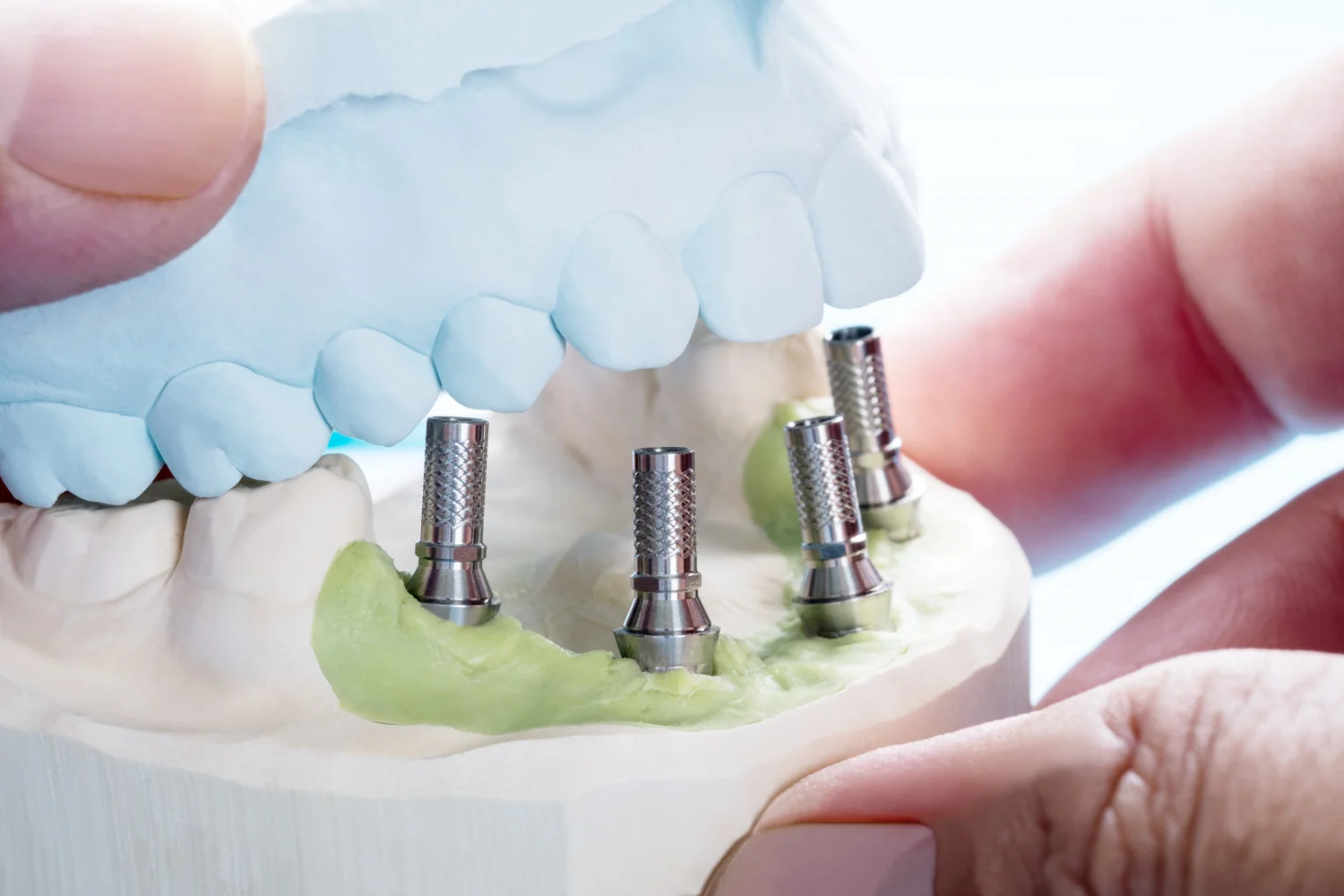
Dental implants don’t move because they’re fused to your jawbone. Your orthodontist will work around them when designing your treatment plan. Missing teeth also affect how your aligners are designed and may require additional steps.
Crowns and bridges can make aligner attachment more challenging. The smooth surface of porcelain doesn’t bond well with the small attachments sometimes needed for tooth movement. Your orthodontist might need to adjust techniques or use alternative methods.
If you have extensive dental work, clear aligners might not work for everyone.
Your orthodontist will assess whether aligners can achieve your desired results or if another orthodontic treatment option would work better for your specific situation.
Contact our dental team to start your personalized clear aligner treatment plan.
Benefits and Drawbacks of Clear Aligner Treatment
Clear aligner treatment offers adults over 40 a modern approach to teeth straightening with distinct advantages in appearance and daily wear. However, certain biological factors and treatment limitations become more relevant as we age.
Aesthetic and Lifestyle Advantages
The most obvious benefit of clear aligners for adults is their near-invisible appearance. You can straighten your teeth without the metal brackets and wires that many associate with adolescence.
Your professional life won’t be interrupted by obvious orthodontic work. Video calls, presentations, and client meetings can continue without self-consciousness about your smile.
Most people won’t even notice you’re wearing aligners unless you tell them.
The removable design means you can eat whatever you want. There are no food restrictions like those that come with traditional braces. You simply take out your aligners before meals and put them back in afterward.
Clear aligner treatment typically requires fewer visits to your orthodontist than traditional braces. These appointments focus on progress checks and picking up your next set of aligners. This saves time in your busy schedule.
Comfort and Convenience
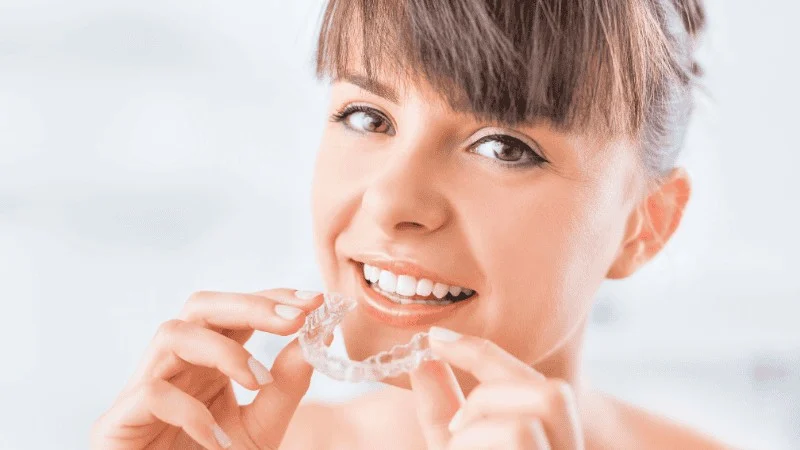
Clear aligners are generally more comfortable than metal braces. They don’t have sharp brackets or wires that can irritate your cheeks and gums. The smooth plastic design fits snugly against your teeth.
You can maintain improved oral health during treatment because the aligners come out for brushing and flossing.
This is especially important for adults over 40 who may already be dealing with gum recession or other dental concerns. You can clean your teeth thoroughly without navigating around fixed brackets.
Studies show that patients undergoing clear aligner treatment have better oral health status and lower levels of oral bacteria compared to those with fixed braces. The risk of developing cavities during treatment is also reduced.
Research indicates that clear aligners cause less severe root resorption than traditional braces. This matters more as you age because your teeth may already show some natural wear.
Potential Limitations for Mature Adults
Clear aligner treatment is best suited for mild to moderate malocclusions. If you have severe bite issues, significant crowding, or complex orthodontic needs, traditional braces may deliver better results.
Your aligners need to stay in for 20-22 hours daily to work effectively. This requires discipline that some people find challenging. Forgetting to wear them or taking them out too often will delay your treatment.
Some adults experience temporary speech changes when they first start wearing aligners. Your mouth needs time to adjust to the plastic trays.
Treatment limitations include:
- Difficulty performing certain root movements
- Less control over tooth rotations compared to braces
- May require multiple refinement stages to achieve desired results
- Not suitable for cases requiring tooth extractions or treating severe skeletal deviations
Bone density naturally decreases with age, which can affect how your teeth respond to movement. Your treatment may take longer than it would for a younger patient with similar alignment issues.
The Clear Aligner Process for Adults Over 40
The journey with clear aligners for adults follows a structured path that begins with digital planning and continues through regular monitoring. Each step is designed to make orthodontic treatment comfortable and predictable for your lifestyle.
Consultation and Digital Planning
Your first visit involves a thorough examination of your teeth, gums, and bite alignment. The orthodontist will assess whether you’re a good candidate for clear aligner treatment based on your specific needs.
Modern technology allows your orthodontist to take digital scans or impressions of your teeth. These create a precise 3D model that shows exactly how your teeth will move.
You’ll get to preview what your smile will look like when treatment finishes.
This appointment is your chance to ask questions about timing, costs, and what to expect. The orthodontist will explain how long treatment typically takes and address any concerns about wearing aligners with your daily routine.
Custom Treatment Plans
Your treatment plan is built specifically for your mouth and goals. The orthodontist maps out each stage of tooth movement, creating a series of aligners that gradually shift your teeth into place.
Each aligner is slightly different from the last one. You’ll wear them for about 20 to 22 hours per day, removing them only for eating, drinking anything other than water, and brushing your teeth.
Most adults find that clear aligners fit into their routine like any other daily habit.
The number of aligners you need depends on how much your teeth need to move. Some cases finish in several months, while others take longer for more complex adjustments.
Monitoring Progress and Adjustments
You’ll visit your orthodontist every six to eight weeks for quick progress checks. These appointments take less time than traditional braces adjustments and help ensure your teeth are moving as planned.
Your orthodontist will give you several sets of aligners at once, so you can switch to the next set at home according to schedule. If any adjustments are needed, they can modify your treatment plan.
Staying consistent with wearing your aligners as directed gives you the best results in the shortest time.
Expected Outcomes and Oral Health Improvements
Clear aligners can deliver noticeable changes to both your smile and your dental health. Treatment timelines vary based on your specific needs, but the benefits extend well beyond appearance.
Managing Realistic Expectations
Your teeth will move gradually over several months. You won’t see dramatic changes overnight, but most adults notice visible shifts within the first few months of wear.
The speed of movement depends on your bone density and the complexity of your case. Adults over 40 typically have denser bone tissue than younger patients, which can slow down tooth movement slightly.
This doesn’t mean results are less effective; just that patience matters.
What you should expect:
- Small gaps may close within 3-4 months
- Moderate crowding often improves noticeably by month 6
- Complex bite issues may require 12-18 months or longer
Your provider will show you a digital preview of your expected results before you start.
Short- and Long-Term Oral Health Benefits
Improved oral health starts as soon as your teeth begin moving into better positions. Straighter teeth are easier to clean, which reduces plaque buildup in hard-to-reach areas.
Immediate benefits during treatment:
- Better access for brushing and flossing
- Reduced risk of cavities between crowded teeth
- Less gum irritation from overlapping edges
Long-term improvements after teeth straightening:
- More even bite pressure across all teeth
- Lower risk of excessive wear on specific teeth
- Reduced jaw strain and potential TMJ discomfort
- Easier maintenance of dental work like crowns or implants
Proper alignment also helps your gums stay healthier as you age. When teeth are correctly positioned, gum tissue fits more snugly around each tooth, creating a better seal against bacteria.
Typical Treatment Timelines
Most adults over 40 complete treatment in 12 to 18 months. Your exact timeline depends on how much movement your teeth need and how consistently you wear your aligners.
Minor corrections like small gaps or slight crowding may take only 6-8 months. More complex cases involving bite correction or significant crowding typically require the full 18 months or slightly longer.
Factors that affect your timeline:
- Wear compliance: You need to wear aligners 20-22 hours daily
- Case complexity: Simple spacing issues resolve faster than bite problems
- Bone density: Denser bone means slower but stable movement
- Existing dental work: Crowns or bridges may require adjusted treatment plans
Your provider will give you a personalized estimate after examining your teeth and creating your digital treatment plan. Staying consistent with aligner wear and attending check-ups helps keep you on schedule.
Commitment, Cost, and Lifestyle Considerations
Clear aligner treatment requires consistent daily wear, financial planning, and adjustments to your routine. Understanding these factors helps you decide if aligners for adults fit your life right now.
Daily Wear and Compliance
You need to wear your aligners 22 hours every day for the best results. This means keeping them in your mouth all day and night, removing them only for eating, drinking anything other than water, and brushing your teeth.
Missing wear time can slow your progress or affect how well your teeth move. Some adults struggle with this at first, but most adjust within a week or two. Set phone reminders to put your aligners back in after meals.
You’ll switch to a new set of trays every one to two weeks. Each new set feels tight for the first day or two as it applies pressure to shift your teeth. This tightness is normal and shows the treatment is working.
Financial Planning and Insurance
Treatment costs typically range from $3,000 to $8,000 depending on how complex your case is. Mild alignment issues cost less than cases involving significant crowding or bite problems.
Some dental insurance plans cover part of orthodontic treatment for adults, usually around $1,000 to $1,500. Check your benefits before starting. Many providers offer payment plans that spread the cost over 12 to 24 months with low or no interest.
Flexible spending accounts (FSAs) and health savings accounts (HSAs) can be used for clear aligner treatment. This lets you pay with pre-tax dollars, which saves you money overall.
Balancing Treatment With a Busy Lifestyle
Clear aligners for adults work well with professional and social schedules because they’re nearly invisible. Most people won’t notice you’re wearing them during meetings or events.
You can remove them for important meals or special occasions, though you should minimize this to stay on track. Plan extra time for oral care since you need to brush after every meal before putting aligners back in.
Dental visits happen every six to eight weeks for progress checks. These appointments are usually quick, taking 15 to 30 minutes. Many providers offer early morning or evening slots to fit your work schedule.
Frequently Asked Questions
Many adults wonder if they’re good candidates for clear aligners and what challenges they might face. Treatment typically takes 6 to 18 months, and adults in their 40s, 50s, 60s, and even 70s have successfully straightened their teeth with this option.
What are the potential advantages and disadvantages of clear aligners for adults over 40?
Clear aligners offer several benefits that make them appealing for your age group. They’re nearly invisible, which means you can straighten your teeth without drawing attention to your treatment.
You can remove them when eating or brushing your teeth, making daily life easier.
The smooth plastic won’t irritate your mouth like metal braces might. You’ll likely need fewer dental visits compared to traditional braces, which fits well with a busy schedule.
However, there are some drawbacks to consider. You need to wear the aligners for 20 to 22 hours each day for them to work properly. If you have gum disease or bone loss, you may need to address those issues first.
Clear aligners work best for mild to moderate dental problems. Severe bite issues might require different treatment. The cost can range from a few thousand dollars to over $8,000, depending on your case.
How does age affect the effectiveness and experience of using clear aligners?
Your age doesn’t make clear aligners less effective, but it does change some aspects of treatment. Your teeth can still move at any age, though the process might take slightly longer than it would for a teenager.
Bone density naturally decreases as you get older. This means your teeth might move a bit more slowly through the bone. Your orthodontist will account for this when planning your treatment timeline.
You might have existing dental work like crowns, bridges, or implants. These don’t automatically disqualify you from using aligners, but they require special planning. Your orthodontist will need to work around these restorations.
Gum health becomes more important with age. If you have any gum disease, you’ll need to get it under control before starting aligner treatment. Healthy gums are essential for successful tooth movement.
What are some common experiences and tips from older adults who have used Invisalign?
Many older adults report feeling self-conscious about their speech during the first few days. This usually goes away within a week as you get used to wearing the aligners.
Staying disciplined about wearing time is crucial. Set phone reminders to put your aligners back in after meals. Keep a small case with you at all times so you don’t lose them when eating out.
Some people experience mild discomfort when switching to new aligners. This is normal and shows that your teeth are moving. The discomfort typically fades after a day or two.
Clean your aligners every time you brush your teeth. Use a soft toothbrush and clear soap rather than toothpaste, which can scratch the plastic. Scratched aligners become more visible and can harbor bacteria.
Are there specific considerations for adults over 50 when using clear aligners?
Your bone density and overall health play bigger roles in treatment success after 50. Your orthodontist may want to review your medical history more carefully, especially if you take medications that affect bone health.
Dry mouth becomes more common with age and can affect your treatment. Saliva helps keep your teeth and aligners clean, so drink plenty of water throughout the day. Consider using a moisturizing mouth rinse if dryness is an issue.
You might need more frequent check-ins with your orthodontist. This helps ensure your teeth are moving as planned and allows for adjustments if needed.
Adults over 50 can still benefit from clear aligners when these factors are properly managed.
Tooth wear and erosion are more common after decades of use. Your orthodontist will evaluate whether your teeth are strong enough for movement. Sometimes additional treatments are needed before starting with aligners.
How might clear aligners impact the dental health of older adults?
Straighter teeth are easier to clean, which reduces your risk of gum disease and cavities. This becomes increasingly important as you age, since older adults face higher rates of these problems.
The aligners themselves can temporarily affect your oral health if not cleaned properly. Food particles and bacteria can get trapped between the aligners and your teeth. This creates an environment where decay can develop quickly.
Wearing aligners for most of the day reduces saliva flow around your teeth. Saliva naturally protects against cavities, so you need to be extra diligent about oral hygiene. Brush and floss after every meal before putting your aligners back in.
Some people experience temporary gum irritation as their teeth shift. Your gums need to adjust to the new positions of your teeth. Regular dental cleanings during treatment help keep your gums healthy throughout the process.
What should someone in their 40s or older know before deciding to get clear aligners?
Get a complete dental exam before committing to treatment. Any existing problems like cavities, gum disease, or worn fillings should be addressed first. Starting with a healthy mouth gives you the best chance for successful treatment.
Understand the time commitment involved. You’ll wear the aligners for 20 to 22 hours daily and switch to new sets every one to two weeks. Treatment usually lasts between 6 and 18 months, depending on how much your teeth need to move.
Budget for the full cost upfront. Many dental insurance plans cover only a portion of orthodontic treatment, if anything at all. Ask about payment plans if you need to spread the cost over time.
Consider how aligners will fit into your lifestyle. If you attend frequent business dinners or social events, you’ll need to plan for removing and storing your aligners. Being consistent with wear time is essential for getting the results you want.