
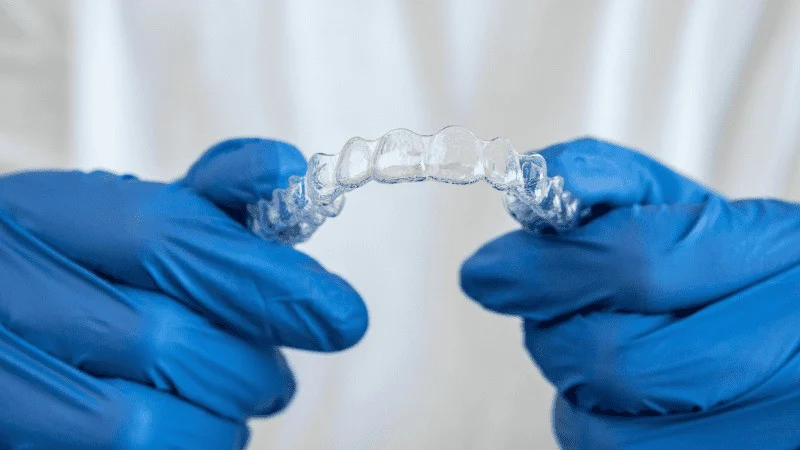
If you have moderate crowding and are considering clear aligners, you probably want to know how long you’ll wear them.
For moderate crowding, clear aligners typically take 6 to 12 months to work, though your exact timeline depends on your specific teeth and how well you follow your treatment plan.
This is good news if you want straighter teeth without the look and feel of metal braces.
The journey to a straighter smile doesn’t have to be a mystery. Understanding what affects your treatment time can help you set realistic expectations and stay motivated.
From how much your teeth need to move to how consistently you wear your aligners, several factors play a role in your results.
Whether you’re just starting to research your options or you’re ready to begin treatment, knowing what to expect makes the process easier.
Let’s break down everything you need to know about the clear aligners treatment timeline, what speeds things up or slows them down, and how to get the best results from your clear aligners.
Key Takeaways
- Clear aligners for moderate crowding usually take between 6 and 12 months to straighten your teeth
- Wearing your aligners 20 to 22 hours per day and following your treatment plan keeps you on schedule
- After treatment ends, you’ll need to wear retainers to keep your teeth from shifting back
How Long Do Clear Aligners Take to Work for Moderate Crowding?
Most people with moderate crowding complete their aligner treatment in 6 to 12 months, though your timeline depends on your starting position and how consistently you wear your aligners.
You’ll start seeing noticeable changes within the first few months of treatment.
Typical Treatment Timeline for Moderate Crowding
Moderate misalignment cases involving crowding, spacing issues, or mild bite irregularities typically take 6 to 12 months to complete.
This range covers most adult patients who choose clear aligners for their smile transformation.
Your treatment planning session will determine exactly how many aligner sets you need. Cases with moderate crowding usually require between 15 and 25 aligner sets.
Each set moves your teeth about 0.25 millimeters before you switch to the next tray.
You’ll wear each aligner set for one to two weeks, depending on your dentist’s instructions. This means you’re constantly making progress toward straighter teeth throughout your treatment.
The total Invisalign treatment time also depends on whether you need refinement trays near the end. Some teeth resist movement more than others, which can add a few extra months to your original timeline.
When Will I See Results with Clear Aligners?
You can expect to see visible changes within the first 2 to 3 months of wearing your aligners. Your front teeth often move first since they’re easier to shift than back teeth.
Most patients notice their teeth looking straighter after using 5 to 8 aligner sets. The exact timing varies based on which teeth need the most correction and where the crowding is located in your mouth.
Your aligner timeline moves faster when you wear your trays for 20 to 22 hours each day. Skipping wear time or leaving your aligners out too long slows down your progress and delays results.
Photos taken at regular check-ups help you track changes you might not notice day-to-day. Your dentist will show you how your teeth compare to your treatment plan at each appointment, usually every 6 to 8 weeks.
Moderate Crowding Versus Mild and Severe Cases
Mild crowding cases resolve much faster, often in just 3 to 6 months. These situations involve small gaps or slightly rotated teeth that need minimal correction.
Moderate crowding sits in the middle range at 6 to 12 months. Treatment duration for moderate cases is longer than for mild cases because more adjustments are needed to properly reposition your teeth.
Severe crowding can extend the time aligners take to 12 to 24 months or more. Complex cases may not work well with clear aligners alone and might need traditional braces instead.
The difference between these categories affects both cost and commitment.
Moderate cases strike a balance between meaningful results and reasonable treatment time, making them ideal for Invisalign aligners and similar options like Angel Aligners.
Ready to start your smile transformation? Visit our Ellenton, FL dental office to get a personalized clear aligners treatment timeline tailored to your crowding.
Key Factors That Affect Your Aligner Timeline
Your treatment timeline depends on how complex your crowding is, how well you follow the wear schedule, and how your body responds to tooth movement. These factors work together to determine whether you’ll finish in 9 months or need closer to 18 months.

Severity and Complexity of Crowding
The amount of space your teeth need to move plays the biggest role in your timeline. If you have moderate crowding with 3-4mm of overlap, your orthodontic treatment typically takes 9-15 months.
More severe crowding requires additional adjustments and refinements to shift teeth into the proper position.
Your bite alignment matters too. If your crowding affects how your upper and lower teeth fit together, your orthodontist needs extra time during treatment planning to fix both issues.
Rotated teeth or teeth that need significant vertical movement also extend your timeline, as these movements require greater precision and care.
Wear Time and Patient Compliance
You need to wear your aligners 20-22 hours every day for the treatment to stay on track. Taking them out for more than 2-4 hours a day slows tooth movement and adds weeks or months to your timeline.
Consistent wear is the factor you control most directly.
Missing even a few hours regularly means your teeth don’t get constant pressure to move. Your aligners work by applying gentle force throughout the day and night.
When you skip wear time, teeth can shift slightly back, delaying progress and potentially requiring additional refinements at the end.
Biology, Age, and Bone Density
Your age affects how quickly your teeth move through the jawbone. Younger patients often see faster results because their bone density is lower and responds more quickly to pressure.
Adults have denser bone structures, which means tooth movement takes longer.
Your oral health also impacts your health to get the treatment. If you have gum disease or tooth decay, your orthodontist needs to address these issues before starting aligners or during treatment.
Good oral hygiene keeps your treatment moving forward without interruptions for dental work.
The Clear Aligner Treatment Process for Moderate Crowding
Your treatment begins with digital planning and continues through regular check-ins where you receive new aligner sets every one to two weeks.
Throughout the process, your dentist may add tooth-colored attachments or refinement trays to keep your teeth moving in the right direction.

Digital Treatment Planning and 3D Scans
Your dentist starts by taking 3D scans of your teeth using advanced imaging technology. These scans replace traditional impressions and create a complete digital model of your mouth.
The digital treatment plan maps out exactly how your teeth will move from start to finish. You can see a virtual preview of your expected results before you even begin wearing aligners.
This plan determines how many aligner sets you’ll need and where tooth-colored attachments might be placed on your teeth.
Your orthodontist uses this plan to identify which teeth need the most movement. For moderate crowding, the plan typically shows multiple stages of adjustment spread across 12 to 18 months.
The software calculates the precise pressure needed at each stage to safely shift your teeth into proper alignment.
Progress Checks and Aligner Changes
You’ll switch to a new aligner every one to two weeks as your teeth gradually move. Each new tray in your aligner sets applies slightly different pressure to continue the repositioning process.
Most patients visit their dentist every 6 to 8 weeks for progress checks. During these appointments, your dentist examines how well your teeth are tracking with the digital treatment plan.
They may add or remove tooth-colored attachments as needed to improve tooth movement.
Key monitoring activities include:
- Checking fit of current aligners
- Verifying teeth are moving as planned
- Distributing your next several aligner sets
- Adding elastics if bite correction is needed
Some patients need elastics to help correct their bite while straightening crowded teeth. Your dentist will show you exactly how to attach and wear them.
Refinement Trays and Mid-Process Adjustments
Not all teeth move at the same pace, so adjustments during treatment are common. If certain teeth aren’t tracking properly, your dentist may order refinement trays to get things back on course.
Refinement trays work just like your original aligners, but target specific teeth that need extra attention. Your dentist takes new scans and creates a revised digital treatment plan focused on these problem areas.
This might add a few extra months to your timeline, but it ensures you get the best possible results.
Some patients need refinements once, while others may need them multiple times. Moderate crowding cases require more adjustments than simpler alignment issues because more significant tooth movement is involved.
Optimizing Your Results: Tips for Staying on Schedule
Wearing your aligners for at least 22 hours daily, maintaining excellent oral hygiene, and keeping regular contact with your orthodontist are the three main factors that determine whether you’ll finish treatment on time.
These habits work together to keep your teeth moving as planned.
Consistent Aligner Wear Habits
Your aligners need to stay in your mouth for 20 to 22 hours each day to work properly. Taking them out for more than two hours can slow down your progress and extend your treatment time.
Set phone reminders to put your aligners back in after meals. Many people forget to wear them after lunch or dinner, and the cost adds up quickly throughout the day.
Keep these wear time rules in mind:
- Remove aligners only for eating, drinking anything except water, and brushing
- Put them back in immediately after meals
- Wear them while you sleep
- Keep your aligner case with you to avoid losing it
If you skip wearing your aligners for a full day, don’t move to the next set on schedule. Contact your orthodontist for guidance on whether you need to extend your current set by a few extra days.
Oral Hygiene and Healthy Habits
Clean teeth and healthy gums let your teeth move faster and more predictably. Poor oral hygiene can cause gum inflammation that slows down tooth movement during treatment.
Brush your teeth after every meal before putting your aligners back in. Food particles trapped under aligners can lead to cavities and gum problems that interrupt your treatment.
Daily oral health routine:
- Brush twice daily with fluoride toothpaste
- Floss at least once per day
- Rinse your aligners with cool water each time you remove them
- Clean your aligners with a soft toothbrush and clear soap
Avoid smoking and limit sugary drinks while wearing aligners. These habits can stain your trays and damage your oral health.
Monitoring and Communication with Your Care Team
Staying on schedule with regular check-ins helps your orthodontist catch any issues before they delay your progress. Most practices ask you to come in every 6 to 8 weeks.
Report any problems right away. If an aligner cracks, doesn’t fit properly, or causes unusual pain, contact your orthodontist immediately rather than waiting for your next appointment.
Take progress photos every two weeks using your phone. This helps you see the changes happening and gives your orthodontist visual updates between visits.
Some practices offer virtual monitoring through apps where you submit photos. Use these tools consistently if your orthodontist provides them, as they help identify tracking issues early.
Ask questions whenever something seems unclear about your treatment. Understanding why you’re doing each step makes it easier to stay motivated and compliant throughout the process.
Clear Aligners vs. Traditional Orthodontics for Crowding
When treating moderate crowding, both clear aligners and traditional braces can straighten your teeth, but they work differently and suit different needs.
Treatment time, comfort, and the severity of your crowding all play a role in which option works best for you.
Benefits and Limitations for Moderate Crowding
Clear aligners treat mild to moderate crowding effectively by applying gentle pressure to shift your teeth into position. You’ll switch to a new set of aligners every one to two weeks as your teeth gradually move.
The main benefit is that you can remove them when eating or brushing your teeth. This makes oral hygiene much easier compared to braces. Clear aligners also look nearly invisible, which appeals to many adults and teens.
However, clear aligners require discipline. You need to wear them 20 to 22 hours each day for them to work properly. If you forget to put them back in after meals, your treatment will take longer.
Traditional braces work better for severe crowding or complex cases. They stay on your teeth 24/7, so you don’t have to remember to wear them.
Braces can handle simple to complex orthodontic issues that aligners might not fix as well.
Bite Correction and Spacing Issues
Moderate crowding often comes with bite problems or gaps between teeth. Clear aligners can fix some bite issues, but they have limits.
Clear aligners excel at treating spacing issues and minor bite problems when used in combination with crowding correction. If your front teeth overlap slightly or you have small gaps,
Invisalign or similar brands can address these issues simultaneously.
For more serious bite correction, like severe overbites or underbites, traditional orthodontics usually works better. Braces give your orthodontist more control over tooth movement in all directions.
Your orthodontist will examine your specific case to determine if aligners can handle your bite issues, along with your crowded teeth. Some people start with braces and switch to aligners later to finish treatment.
Aligner Brands: Invisalign, Angel Aligners, and More
Invisalign is the most well-known clear aligner brand, but it’s not your only choice. Angel Aligners and other companies also offer treatment for crowded teeth.
Popular aligner brands include:
- Invisalign – The original and most established brand, with extensive research backing
- Angel Aligners – A newer option with competitive pricing
- ClearCorrect – Another established brand available through orthodontists
- Byte – A direct-to-consumer option with faster treatment claims
Each brand uses slightly different materials and technology. Invisalign has the longest track record and the most data on treatment outcomes. Angel Aligners often cost less while still providing good results for moderate cases.
Your orthodontist can explain which brands they work with and why they recommend one over another. The skill of your orthodontist matters more than the brand name in most cases.
What Happens After Aligner Treatment Ends?
Retainers become your most important tool for protecting your new smile, and establishing good long-term habits prevents your teeth from shifting back to their original positions.
Importance of Retainers
Your teeth can move back after clear aligner treatment ends if you don’t wear retainers consistently. The bone and tissues around your teeth need time to stabilize in their new positions.
Most orthodontists recommend wearing retainers full-time for the first 3-6 months after treatment. After that initial period, you’ll likely switch to nighttime wear only.
Common retainer types include:
- Clear removable retainers that look similar to aligners
- Fixed retainers are bonded to the back of your teeth
- Hawley retainers are made with wire and acrylic
Your orthodontist will recommend the best option based on your specific case. Skipping retainer wear can undo months of progress within weeks or months.
Long-Term Smile Maintenance and Relapse Prevention
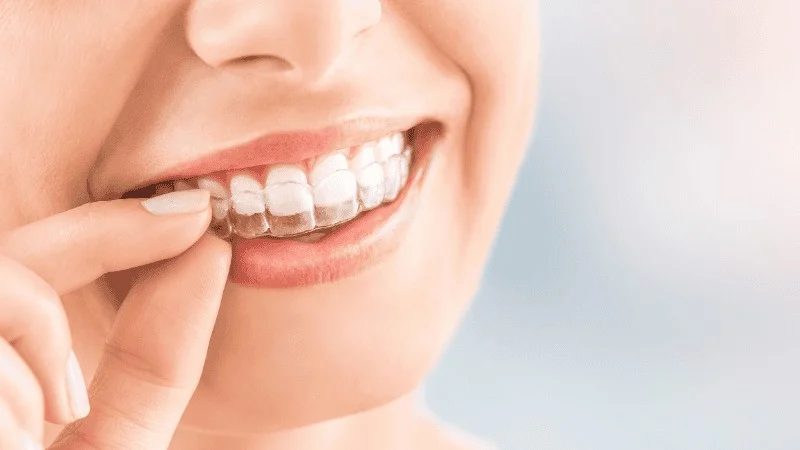
Maintaining your smile transformation requires ongoing attention to oral hygiene and regular dental checkups. Brush and floss daily to keep your teeth and gums healthy in their new alignment.
Schedule dental cleanings every six months to catch any issues early. Your dentist can also check that your retainer still fits properly and that your teeth haven’t shifted.
Watch for signs of relapse, like teeth feeling crowded again or gaps appearing. Contact your orthodontist immediately if you notice changes. The sooner you address shifting, the easier it is to correct.
Keep your retainer clean by rinsing it daily and brushing it gently with a soft toothbrush. Store it in its case when not wearing it to prevent damage or loss.
Flexible Financing and Next Steps
Many orthodontic practices offer payment plans that extend beyond your active treatment period. You can often include retainer costs and follow-up visits in your original financing agreement.
Ask about flexible financing options that let you spread payments over 12-24 months. Some providers work with third-party financing companies that offer low or zero-interest plans.
Budget for replacement retainers since they can wear out or get lost over time. Most retainers cost between $100-500 to replace depending on the type.
Schedule your first post-treatment checkup within 1-2 months of finishing aligners. This visit ensures your teeth are stable and your retainer fits correctly.
Your orthodontist will create a monitoring schedule based on your individual needs.
Book your consultation in Ellenton, FL today and talk with our team about how quickly clear aligners can straighten your teeth.
Frequently Asked Questions
Most people with moderate crowding can expect treatment to last between 9 and 18 months, though you’ll likely notice changes within the first few months.
Your daily wear time and specific dental needs play the biggest role in how quickly you’ll see your final results.
What is the typical treatment duration for moderate teeth crowding with clear aligners?
Moderate crowding cases often take 9 to 12 months to complete with clear aligners. Your exact timeline depends on how much your teeth need to move and how complex your case is.
Some people finish closer to 12 to 18 months if their crowding is on the more severe end of moderate. Your dentist or orthodontist will give you a personalized estimate after reviewing your 3D treatment plan.
Can you see results quickly when using clear aligners for moderately crowded teeth?
You can start noticing changes within the first few weeks to months of wearing your aligners. The front teeth often show visible improvement first since they typically need smaller adjustments.
Most people see noticeable progress by month three or four. However, correcting moderate crowding fully takes longer, as your teeth need time to shift gradually into their proper positions.
What factors can affect the timeline for correcting moderate crowding with clear aligners?
Your daily wear time is the most important factor in staying on schedule. Most aligners require 20 to 22 hours of wear per day to work as planned.
Your age and biology also play a role. Younger patients often see faster movement because their bone tissue responds more quickly to pressure.
Skipping trays or not following your treatment plan can add weeks or months to your timeline. Keeping your aligners clean and attending check-ups helps prevent delays too.
Are there any tips to ensure the best results when using clear aligners for moderate teeth crowding?
Wear your aligners for the recommended hours each day without exception. Taking them out for anything other than eating and brushing can slow down your progress.
Change to your next set of trays only when your doctor tells you to. Moving ahead too quickly won’t speed up treatment and could actually cause problems.
Keep your aligners and teeth clean to avoid issues that might pause your treatment. Stay in touch with your care team and report any concerns right away so they can make adjustments if needed.
How do different brands of clear aligners compare in treating moderate teeth crowding?
Different aligner brands use similar technology but vary in their wear requirements and monitoring systems. Some brands require the standard 20 to 22 hours of daily wear, while others offer more flexible options.
Some aligner systems include remote monitoring that lets your doctor track your progress without frequent office visits. This can make treatment more convenient and help catch any issues early.
The quality of results for moderate crowding is generally similar across major brands when treatment is supervised by a licensed professional.
Your specific needs and lifestyle might make one option better for you than another.
What should I expect during the treatment process for moderate crowding with clear aligners?
You’ll start with a consultation where your dentist takes scans or impressions of your teeth. They’ll create a digital treatment plan showing how your teeth will move over time.
You’ll receive multiple sets of aligners to wear in sequence, changing them every one to two weeks. Each new set applies gentle pressure to guide your teeth into better positions.
Your doctor will check your progress every few weeks or months, either in person or through remote monitoring.
You might feel some pressure or mild discomfort when you switch to a new set of trays, but this usually goes away within a day or two.