

If you deal with daily tooth pain, trouble chewing, or worn and broken teeth, you may wonder if there is a real solution. Small fixes may not solve bigger problems when many teeth feel damaged, or your bite feels off.
You are likely ready for full mouth reconstruction when you have ongoing pain, multiple damaged or missing teeth, or bite problems that affect how you eat, speak, or live each day.
This type of care looks at your whole mouth, not just one tooth at a time.
When your teeth shift, your jaw aches, or your smile no longer feels strong or stable, your mouth may be asking for more complete treatment. Knowing the signs you need full mouth reconstruction helps you take action before problems get worse.
Key Takeaways
- Ongoing pain or widespread damage may signal the need for full treatment.
- Changes in your bite, comfort, or smile can point to deeper issues.
- A custom plan can restore strength, comfort, and daily function.
Key Signs You Need Full Mouth Reconstruction
Serious dental problems often show up in clear ways. When you notice major tooth loss, worn teeth, or ongoing jaw pain, your mouth may need more than a simple fix.
Multiple Missing or Failing Teeth
If you have multiple missing teeth in different areas, your bite can no longer work as it should. Gaps allow nearby teeth to move. Over time, you may notice shifting teeth, changes in your smile, or trouble chewing certain foods.
Tooth loss also affects your jawbone. When a tooth is gone, the bone under it can shrink. This can change the shape of your face and make dentures or partials fit poorly.
You may also have several old crowns, bridges, or large fillings that keep breaking down. Replacing one tooth at a time may not solve the bigger issue. A full plan can restore balance across your entire mouth.
Severely Worn, Broken, or Decayed Teeth
Years of grinding or clenching can cause serious tooth wear. Your teeth may look shorter or feel flat. In some cases, you develop a collapsed bite, where the upper and lower teeth no longer meet at the right height.
Broken teeth and severe tooth decay also point to deeper problems. Large cracks can weaken your bite. Deep cavities can spread infection and lead to more tooth loss.
You might notice:
- Increased tooth sensitivity
- Pain when biting down
- Rough or sharp edges
- Teeth that chip easily
When damage affects many teeth, patchwork repairs may fail. Dentists often recommend a comprehensive plan.
Chronic Jaw Pain and Bite Problems
Chronic jaw pain often links to bite issues. If your teeth do not fit together evenly, your jaw muscles work harder than they should.
You may feel:
- Ongoing soreness near your ears
- Clicking or popping in the jaw
- Frequent headaches
- Stiffness when opening your mouth
These symptoms often involve the temporomandibular joint (TMJ). When several teeth are missing or worn down, your bite shifts. That imbalance can strain the joint and surrounding muscles.
Correcting one tooth will not fix a mouth-wide alignment problem. A full mouth reconstruction can rebuild proper spacing and improve how your upper and lower teeth meet. This can reduce pressure on the joints and help your bite feel stable again.
Difficulty Chewing or Speaking
If you avoid certain foods because chewing feels hard or painful, your mouth may not function well. Missing multiple teeth and broken teeth reduce your ability to grind food into small pieces.
You may also notice changes in speech. Gaps from tooth loss can affect how you pronounce certain sounds. This can make you feel self-conscious in conversations.
Functional limits often signal deeper structural problems. When chewing and speaking suffer, it usually means several teeth need repair at the same time.
When your mouth cannot perform daily tasks with comfort and control, you need more than a quick fix.
Recognizing Changes in Your Oral Health
Your mouth often shows clear signs when deeper problems develop. You may notice gum changes, tooth movement, or dental work that no longer fits the way it should.
Signs of Gum Disease and Long-Standing Dental Issues
Gum disease often starts with red, swollen, or bleeding gums. You might see blood when you brush or floss. Bad breath that does not go away can also point to infection below the gumline.
As gum disease progresses, your gums may pull away from your teeth. This can make teeth look longer. You may also feel tenderness when chewing.
Long-standing tooth decay, untreated cavities, and visible enamel wear can signal deeper damage. Acid erosion from diet or reflux can thin enamel and expose softer layers underneath. Teeth may look flat, chipped, or yellow.
These issues rarely fix themselves. A comprehensive evaluation and preventive dentistry help measure bone levels, check for active decay, and assess how gum disease affects your overall oral health.
Shifting Teeth and Altered Bite Alignment
Teeth should meet evenly when you close your mouth. If your bite feels off or uneven, your teeth may be shifting.
Missing teeth, advanced gum disease, and severe enamel wear can change how pressure spreads across your bite. You may notice:
- Food getting trapped in new spaces
- Jaw soreness or fatigue
- Teeth that feel loose or crowded
When teeth shift, your bite alignment changes. This can strain your jaw joints and increase the risk of cracks or fractures.
A detailed exam can show how your teeth contact each other. In many cases, restorative dentistry corrects bite problems by rebuilding worn teeth and replacing missing ones with crowns and bridges or other solutions.
Deterioration of Previous Dental Work
Dental work does not last forever. Old crowns, worn bridges, and large fillings can weaken over time.
You might notice a crown feels loose or see a dark line near the edge. That line can mean decay has formed under the crown. Cracks in dental crowns or bridges can also allow bacteria to enter.
Watch for these signs:
- Pain when biting down
- Sensitivity to hot or cold
- Food catching around dental work
When several restorations fail at once, patching one tooth at a time may not solve the problem. A full review of your crowns and bridges helps your dentist decide if you need a broader plan to restore strength and function.
Functional and Aesthetic Concerns
Daily problems like hiding your teeth, changes in your face, or trouble chewing often point to deeper dental damage.
When these issues affect both how you look and how your mouth works, full mouth reconstruction may help rebuild your smile and protect your long-term oral health.

Hiding Your Smile or Feeling Self-Conscious
If you cover your mouth when you laugh or avoid photos, your teeth may no longer feel like they belong to you. Cracked, worn, stained, or missing teeth can make you feel older or less confident.
You may also notice uneven edges, dark spaces, or shifting teeth. These changes often happen slowly, so you adjust to them over time. But they usually signal larger structural problems.
People with several damaged or missing teeth often need more than single fixes. A full-mouth reconstruction can address function and appearance at the same time.
Instead of patching one tooth at a time, your dentist creates a clear plan to rebuild your smile in a balanced way. This approach improves how your teeth fit together and how they look when you speak or smile.
Visible Changes to Face Shape or Smile
Tooth loss and severe wear can change your face. You might see a shorter lower face, thin lips, or deeper lines around your mouth.
When teeth wear down, your bite can collapse. This reduces the space between your nose and chin. Over time, this can create a sunken look.
These facial changes often mean your teeth no longer support your jaw the right way. As explained in this overview of when to consider full mouth reconstruction, rebuilding all teeth in both arches can restore structure and balance.
Full mouth reconstruction can rebuild worn teeth, replace missing ones, and correct your bite height. This helps restore natural support to your lips and cheeks while improving long-term oral health.
Impaired Ability to Eat or Speak Comfortably
You should not struggle to chew soft foods or avoid certain meals. If you feel pain when biting or notice food getting stuck in broken areas, your teeth may not work as a unit.
Missing back teeth can reduce chewing strength. Worn front teeth can affect how you pronounce words like “s” or “f.” You may also deal with jaw soreness or frequent headaches.
A resource on when to consider a full mouth reconstruction explains that combining treatments can restore both comfort and function. Instead of treating pain in one area, your dentist looks at your entire bite.
Full-mouth reconstruction focuses on stability. It aligns your teeth, restores chewing surfaces, and supports clear speech so you can eat and talk without discomfort.
Treatment Options Involved in Full Mouth Reconstruction
Full mouth reconstruction combines several treatments to rebuild your teeth, gums, and bite. Your dentist or prosthodontist selects specific procedures based on how many teeth you have lost, how much damage exists, and how your bite fits together.

Dental Implants and Implant-Supported Dentures
Dental implants replace missing tooth roots with small titanium posts placed in your jawbone. After healing, your dentist attaches crowns, bridges, or dentures to the implants.
Implants stay fixed in place, so you do not remove them like traditional dentures. They help you chew with more strength and keep your jawbone from shrinking over time.
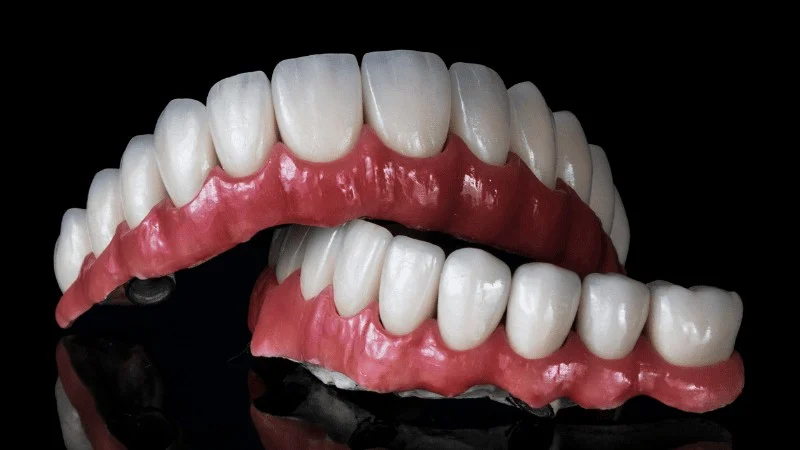
If you miss many or all teeth, you may receive implant-supported dentures. These dentures snap or screw onto a few implants for support. They feel more stable than regular dentures and reduce slipping while you eat or speak.
Your dentist will check your bone level with X-rays or scans before placing implants. Healthy gums and enough bone support are key for long-term success.
Crowns, Bridges, and Veneers
When teeth remain but show damage, your dentist may use dental crowns to restore them. A crown covers the entire tooth and protects it from further wear or fracture. Crowns work well for teeth with large fillings or after a root canal.
Bridges replace one or more missing teeth by attaching to nearby teeth or implants. They fill gaps and help keep your bite balanced. Without a bridge, nearby teeth may shift out of place.
Veneers improve the look of front teeth. These thin shells bond to the front surface and correct chips, stains, or uneven shapes. Veneers focus more on appearance, while crowns and bridges restore strength and function.
Your dentist plans the size, shape, and color of each restoration so your smile looks natural and fits your bite.
Orthodontics and Bite Correction
If your teeth sit in the wrong position, your dentist may recommend orthodontics before placing final restorations. Straightening your teeth creates a stable base for crowns, bridges, or implants.
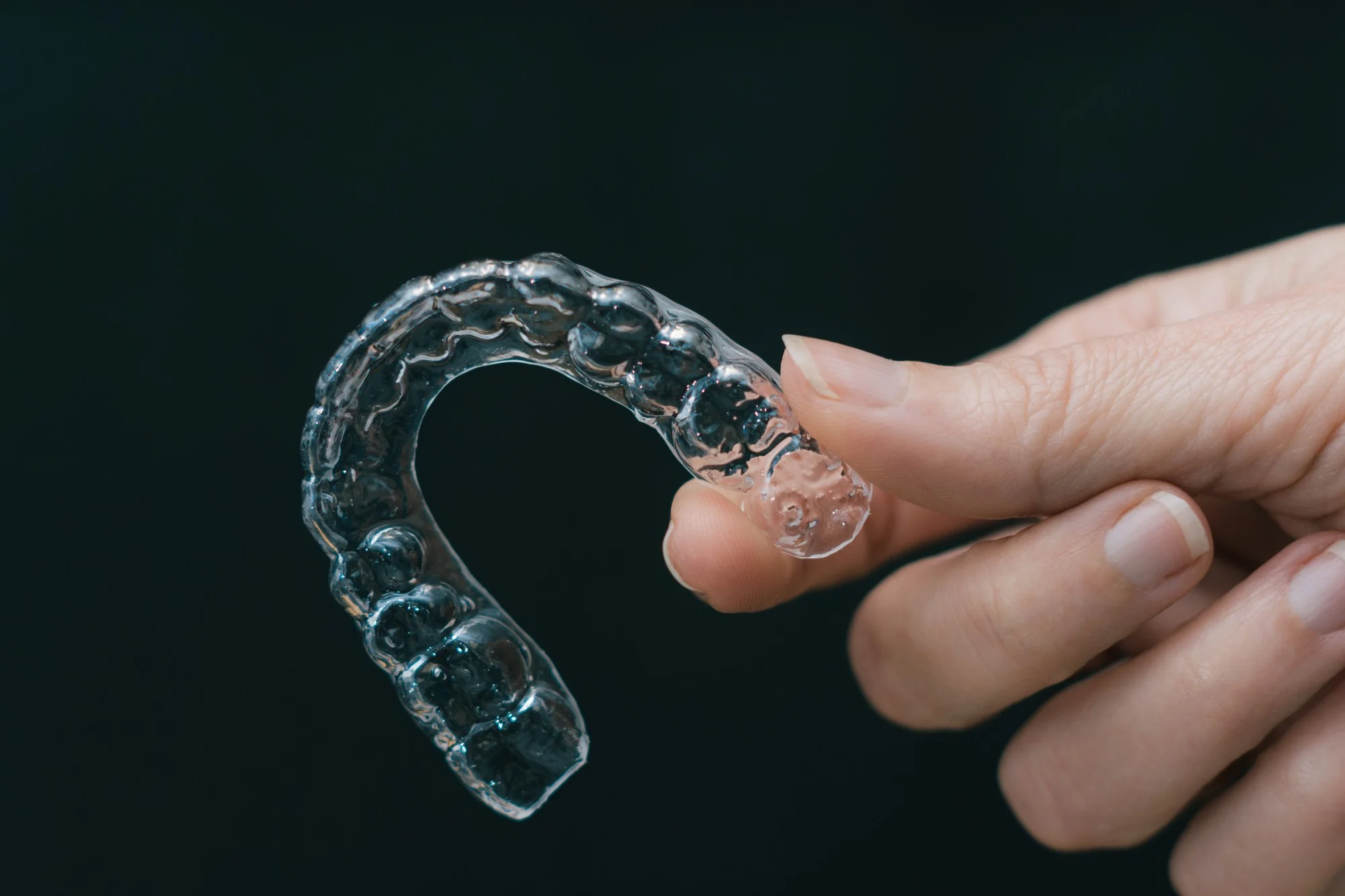
You may use braces or clear aligners to move teeth into better alignment. Clear aligners work well for mild to moderate crowding. Braces may suit more complex cases.
Bite correction also addresses uneven pressure on certain teeth. When your bite stays unbalanced, you can develop wear, fractures, or jaw pain.
Your dentist or prosthodontist may adjust your bite carefully once restorations are in place. A balanced bite helps protect your new dental work.
Root Canals and Bone Grafting
If infection reaches the center of a tooth, you may need a root canal. This procedure removes infected tissue, cleans the canal, and seals it. Afterward, your dentist usually places a crown to strengthen the tooth.
When you lack enough bone for implants, bone grafting builds up the area. The graft adds volume and gives implants a stable foundation. Healing can take several months before implant placement.
Bone grafting often becomes necessary after long-term tooth loss. Without a tooth root, the jawbone shrinks over time.
Your dentist reviews your medical history and imaging before recommending these treatments. Careful planning helps each step support the next stage of your reconstruction.
The Importance of a Personalized Treatment Plan
Full mouth reconstruction works best when your dentist studies your whole mouth and builds a clear, step-by-step plan just for you. Careful exams and structured treatment planning help fix the root problems, not just the symptoms.

Comprehensive Evaluation Processes
You start with a comprehensive evaluation that looks at more than just your teeth. Your dentist checks your gums, bite, jaw joints, and any worn or missing teeth.
They often use digital X-rays and photos to see bone levels, hidden decay, and past dental work. Digital images help your dentist measure damage and plan repairs with more accuracy.
Your visit may also include:
- A full review of your medical and dental history
- Bite analysis to check alignment and pressure points
- Gum measurements to check for periodontal disease
- Impressions or digital scans of your teeth
This detailed review supports a clear diagnosis. A complete exam allows your dentist to see how each problem connects to the next. That way, you avoid quick fixes that fail later.
Customized Phased Treatment Planning
After your exam, your dentist creates a personalized treatment plan built around your needs, budget, and timeline. No two plans look the same.
Your treatment plan may combine procedures such as:
- Dental implants for missing teeth
- Crowns to protect weak teeth
- Bridges or dentures to restore gaps
- Periodontal care to treat gum disease
Instead of doing everything at once, your dentist often uses customized phased treatment planning. This approach treats urgent issues first, such as infection or pain. Then it moves to rebuilding and cosmetic improvements.
Phased care also gives your mouth time to heal between steps. A personalized full-mouth reconstruction plan focuses on restoring comfort, function, and appearance in a logical order.
When your treatment planning follows a clear sequence, you reduce surprises and improve long-term results.
Frequently Asked Questions
You may wonder how serious your dental problems are, how long treatment takes, and what it feels like during recovery. Clear answers help you decide when it’s time to move forward with a full plan instead of small repairs.
How do I know if my dental problems are too severe for simple fillings or crowns?
Simple fillings or single crowns work best when damage affects only one or two teeth. If you have many worn, cracked, missing, or severely decayed teeth, small fixes often fail to solve the bigger problem.
You may notice trouble chewing, teeth shifting, or repeated breakage of old dental work. These signs often point to the need for a broader plan like a full mouth reconstruction, which restores most or all teeth together.
What symptoms suggest I may need to restore my bite or jaw alignment?
Frequent jaw pain, headaches, or clicking in your jaw can signal bite problems. You might also chew on one side because the other side feels uncomfortable.
If your teeth look uneven or worn down flat, your bite may be misaligned. Ongoing bite issues can also lead to TMJ symptoms and facial muscle strain, which are common reasons people consider a complete mouth reconstruction.
Does full mouth reconstruction hurt during or after treatment?
Dentists use local anesthesia to numb your mouth during procedures. Many offices also offer sedation options to help you stay relaxed.
After treatment, you can expect soreness, swelling, or mild discomfort for a few days. Your dentist will guide you on pain control, which often includes over-the-counter or prescribed medication.
How long does it take to get used to full mouth implants?
Most people adjust to implants within a few weeks. Your tongue and cheeks need time to adapt to the new tooth shape and position.
Eating soft foods at first helps. As your gums heal and your bite settles, chewing and speaking usually feel more natural.
How long does a full mouth reconstruction usually take from start to finish?
The timeline depends on how many procedures you need. Mild to moderate cases may take several months.
More complex plans that include implants, bone grafts, or jaw corrections can take close to a year. Treatment often happens in stages so your mouth can heal between visits.
What are the most common treatment options included in a full mouth reconstruction plan?
Your dentist may combine crowns, bridges, implants, veneers, dentures, orthodontics, or gum treatments. The goal is to restore strength, function, and appearance at the same time.
Many clinics design a custom plan based on your needs. Your exact plan depends on how many teeth need repair or replacement and the health of your gums and jawbone.